Skip to content

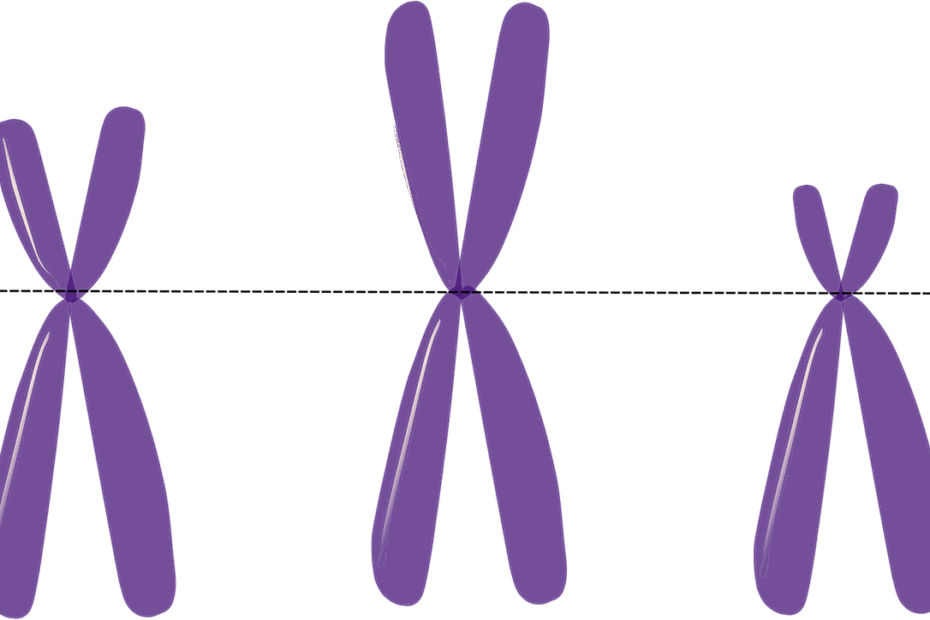
A major adjustment, in chromosomes.

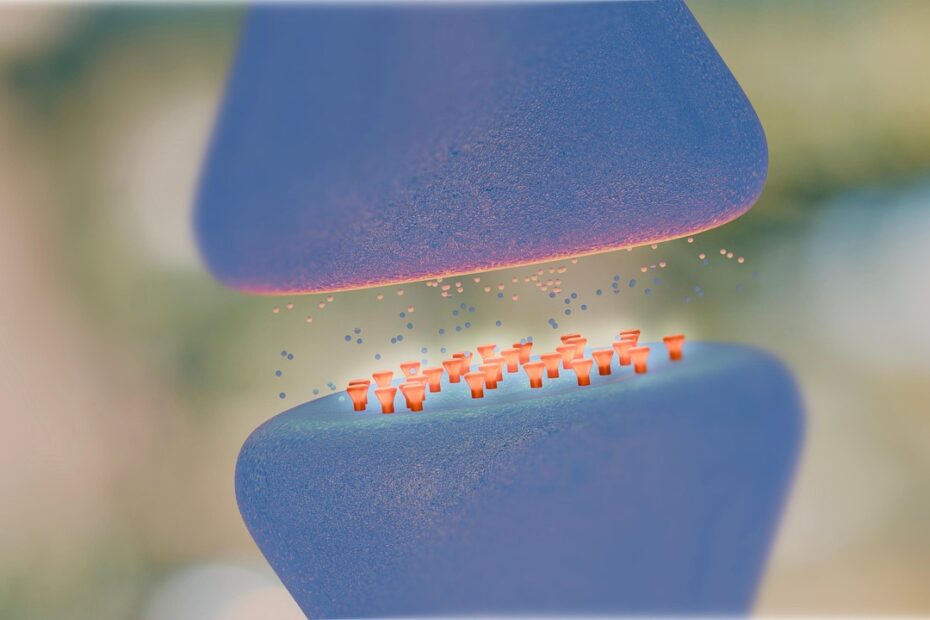
Antibodies are oxidized by neurotransmitters in a gaseous state or gases we breathe. But what happens if there are more neurotransmitters and oxygen, but fewer antibodies? Well, what happens is that the neurotransmitters aren’t oxidized,… 

Neurotransmitters and carbohydrates.

Carbohydrates, like potatoes, produce triglycerides or cholesterol, which end up in the nervous system for the production of neurotransmitters. Bread and rice, on the other hand, end up as sugars for antibodies in leukocytes, for… 

Aging and menopause.

As we age, when we lose chromosomes, the level of antibodies in cells increases significantly, clogging and suffocating the cells. The body also consumes fewer neurotransmitters. Chromosomes must be reproduced daily, as chromosomes are lost… 

Matrix and Gods.

In The Matrix, the warrior gods don’t see each other. It’s a fight to the death by conquest, but everything goes wrong, and they end up seeing each other over a piece of cheese. Sometimes… 

Can a ship with a photon drive be built?

Creating a spacecraft with a photon drive from nature’s nervous system could solve the mysteries of life in the solar system. Photons of light from the nervous system could be magnetized to travel to planets… 

Genes, what we hear and speak.

When the brain hears or speaks, genes inflate or swell cells or arteries, which can cause a rise in blood pressure. When exercising with that high systolic blood pressure, it can stabilize somewhat, but when… 

Photons of cells on earth.

When we sleep, sleep reduces the amount of light photons emitted by cells. Resting lowers our respiratory and heart rates, as seen in this graph using my data from a smartwatch. Sleeping less increases oxygen…